
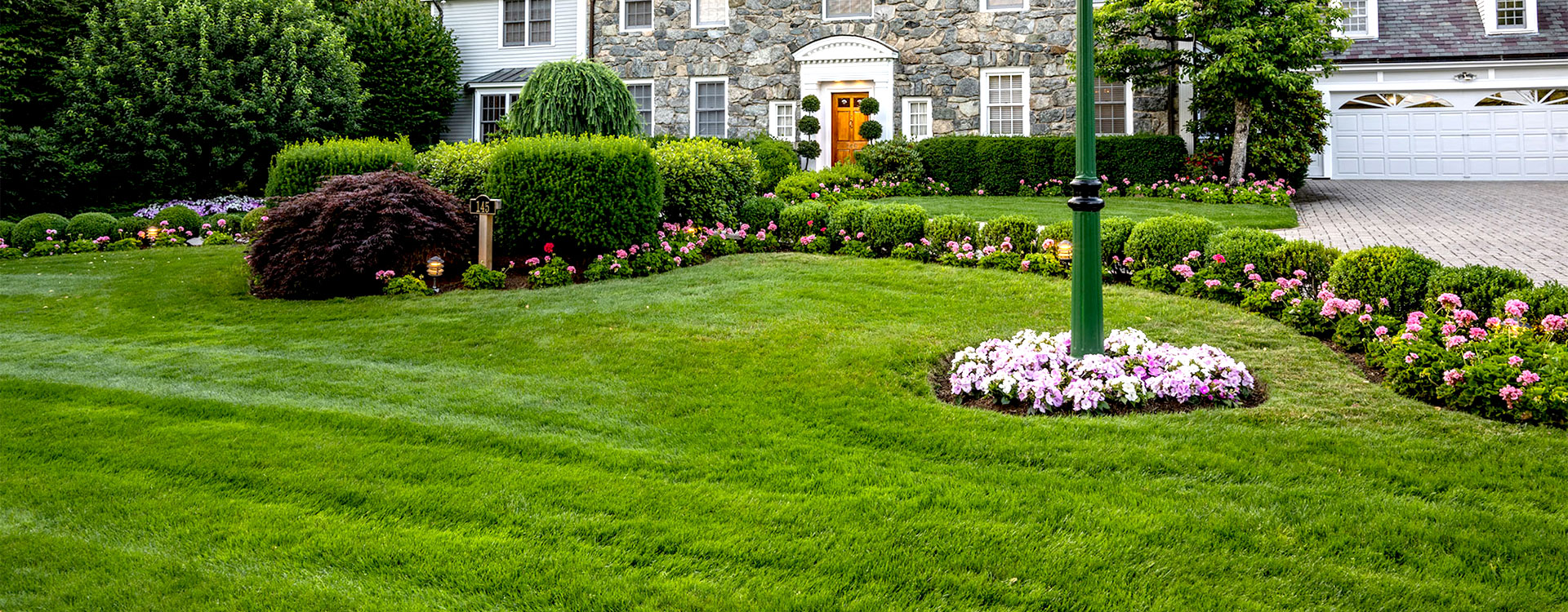
Spring maintenance is more than just tidying up your property. At Yerardi Landscaping, we consider it the most important window of the year for influencing how your landscape performs. Done correctly, it strengthens root systems, improves soil structure, and sets the stage for healthier, more resilient growth across all areas of your property.
Lawn
A great lawn isn’t built from the top down—it starts below grade. Each year we do an analysis to see what your lawn needs and how best to proceed.
Core Aeration
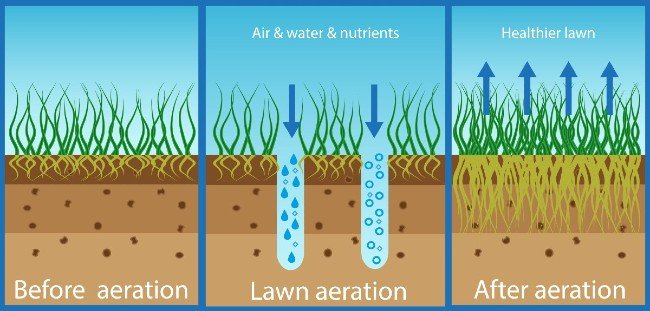
Over time, soil becomes compacted, restricting oxygen, water, and nutrient movement. Core aeration mechanically removes plugs of soil, relieving compaction and allowing the root zone to breathe. This is especially critical for high-traffic or clay-heavy lawns and typically done in spring or fall.
Dethatching
Thatch is the layer of organic material between the soil and grass blades. A thin layer is beneficial; too much (over ½ inch) blocks water and nutrients. Dethatching is done selectively—only where buildup is excessive—to avoid unnecessary stress on the turf.
Overseeding
Spring overseeding helps fill in thin or winter-damaged areas. The key is seed-to-soil contact—ideally done in conjunction with aeration. Cool-season grasses used here in Massachusetts respond best when soil temperatures consistently reach ~50–65°F. The key here is to keep watering throughout the summer. New grass has fragile roots and, without sufficient water, will do poorly in the hot months of summer.
Early-Season Fertilization
The goal is root development so we use a balanced, slow-release fertilizer supporting steady growth without forcing excessive top growth. If you are a do-it-yourselfer beware of fast release, high nitrogen fertilizers that can easily burn your lawn if not applied properly.
Trees & Shrubs:
Pruning with Purpose
Spring is ideal for removing winter damage, crossing branches, and weak growth. Pruning is an art – knowing both where to cut and when to cut. For example, flowering shrubs (like hydrangea varieties or lilacs) must be pruned with awareness of their bloom cycle. Some hydrangea varieties bloom on new wood, others on old. Prune at the wrong time and you lose a season of flowers.
Soil Conditioning & Mulching
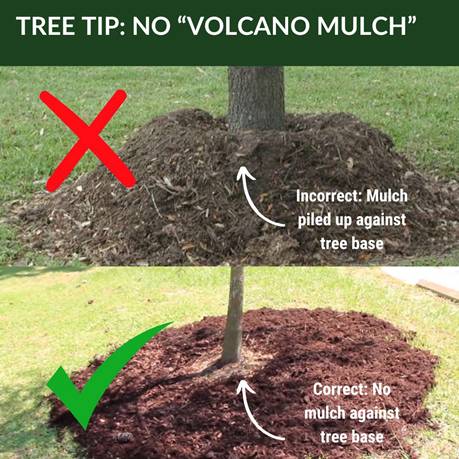
Top-dressing beds with compost improves soil structure and microbial activity. A 2-3 inch layer of mulch (not piled against stems) regulates soil temperature, retains moisture, and suppresses weeds. With trees, it is especially careful to ensure mulch does not sit above the root flare.
Fertilization
Shrubs and ornamental trees benefit from slow-release, balanced nutrients applied at the root zone.
 Garden Beds:
Soil Preparation
Compacted or depleted soils should be loosened and amended with organic material. This improves drainage in heavy soils and moisture retention in sandy ones.
Pre-Emergent Weed Control
Applying pre-emergent treatments early in the season helps prevent weed seeds from germinating, significantly reducing maintenance later.
Planting Timing
Cold-hardy annuals such as pansies and perennials can go in earlier in April, but more sensitive plantings (e.g., petunias, zinnias) should wait until soil temperatures stabilize, typically in mid-May.
The properties that stand out in June, July, and August are almost always the ones where the right work was done—carefully and correctly—in spring. Following these guidelines helps make your property the envy of the neighborhood and will save maintenance during summer.